Financial Life Skills for Student-Athletes: Managing Money for a Secure Future
For years, the focus for student-athletes has been strictly on the field, the court, and
For many high school student-athletes, the dream of competing at the collegiate level is a driving force behind their early mornings, late nights, and relentless training sessions. However, talent on the field or court is only one piece of the puzzle. To play sports in college, you must first navigate the complex world of NCAA eligibility. Every year, thousands of talented athletes miss out on the opportunity to play college sports simply because they did not meet academic or administrative requirements.
At the Student Athlete Success Summit (SASS), our mission is to educate, empower, and elevate student-athletes and their families. Understanding the NCAA eligibility process early can be the difference between achieving your collegiate dreams and being left on the sidelines. Here is everything you need to know to stay on track.
The National Collegiate Athletic Association (NCAA) is the governing body for college athletics in the United States. Their eligibility rules are designed to ensure that student-athletes are prepared for the academic rigors of college. Essentially, the NCAA wants to confirm that you are a true “student” first, and an “athlete” second. Meeting these requirements not only allows you to play but also ensures you are academically ready to earn a degree.
One of the most common pitfalls for high school athletes is failing to take the right classes. The NCAA requires you to complete a specific number of core courses in high school. These are not just any classes; they must be in the areas of English, math, science, social science, and foreign language.
Pro Tip: Do not wait until your senior year to figure this out. Work with your high school guidance counselor as early as your freshman year to ensure your class schedule aligns with NCAA core course requirements. Not all high school classes count, even if they satisfy your high school graduation requirements!
Grades matter. To be eligible, you must achieve a minimum grade-point average (GPA) in your core courses. However, the NCAA uses a “sliding scale” for Division I and II. This means that if your GPA is lower, you will need a higher SAT or ACT score to compensate, and vice versa.
Student-athletes should aim for a 3.0 or higher to keep their options open and reduce the pressure of standardized testing. Remember, a strong academic record also makes you a highly attractive candidate for college coaches who want reliable players.
To play NCAA sports, you must maintain your amateur status. This means you cannot be paid to play your sport, sign contracts with professional teams, or accept prize money above actual and necessary expenses. With the recent changes in Name, Image, and Likeness (NIL) rules at the college level, the landscape is shifting, but high school athletes must still be cautious. Understanding the boundaries of amateurism is crucial to protecting your eligibility before you even step foot on a college campus.
If you want to play Division I or II sports, you must register with the NCAA Eligibility Center, usually during your junior year of high school. This is the official portal where you will submit your transcripts, test scores, and amateurism certification. There is a registration fee, but fee waivers are available for those who qualify.
Navigating these requirements can feel overwhelming, but you do not have to do it alone. The Student Athlete Success Summit is dedicated to providing the education and tools necessary to prepare student-athletes for success in sports, school, and life.
“Every student-athlete deserves more than exposure – they deserve the education, preparation, and opportunity to build a successful future!”
— Nikita Lowry Dawkins, Founder & CEO, SASS
At our upcoming summit on August 22, 2026, we will feature powerful sessions specifically dedicated to NCAA Eligibility, Recruiting, and NIL. You will have the chance to hear from expert speakers, connect with mentors, and get the exact tools you need to secure your collegiate future.
Don’t leave your future to chance. Educate yourself, prepare early, and surround yourself with a community that wants to see you win. Register today for the Student Athlete Success Summit and take the first step toward elevating your future both on and off the field!
For years, the focus for student-athletes has been strictly on the field, the court, and
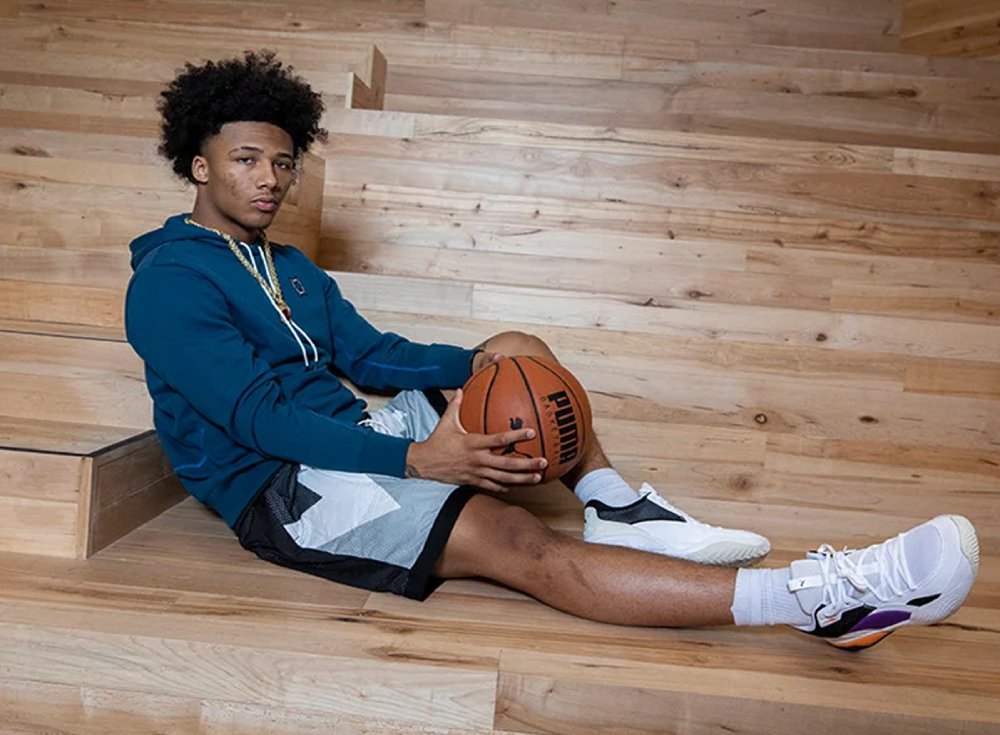
The landscape of college sports has changed forever. Since the introduction of Name, Image, and